

Our Process: What to Expect From Start to Finish
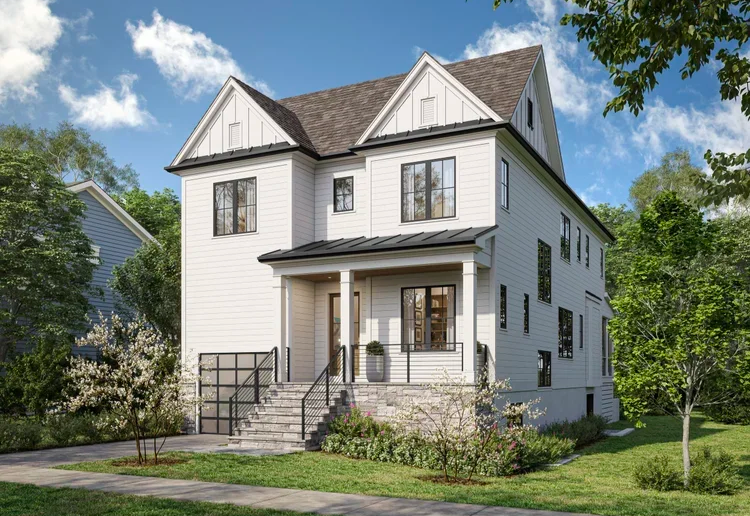
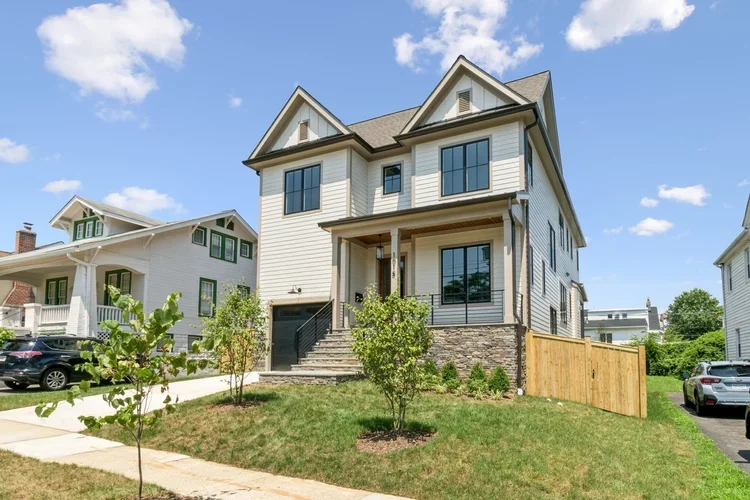
Most builders can show you a pretty portfolio. Fewer will tell you exactly how the next 18 months of your life will go. Here's ours with real timelines and honest numbers at every step because that's how we'd want it explained to us.
One thing we won't promise: that construction will be easy. What we promise is that when something goes wrong, and on every project something does, but we'll tell you quickly and fix it. We treat your home and your budget as a fiduciary duty. That starts before you've signed anything.
The short version: for a full custom home you should plan on 14–21 months from first meeting to keys. That’s roughly 3–6 months of design and pre-construction, about 3 months of permitting, and 8–12 months of construction. Large renovations and additions run on a similar clock, but smaller renovations and additions can take 6 months or less. The step-by-step below explains where that time goes.
Step 1: Discovery Call
Week one
We start with a call to understand your goals, your timeline, and your budget (the real one, not the one that sounds good out loud). Then we schedule a no-pressure meeting to talk through next steps. Whether you have a full permit set in hand or a sketch on a napkin, we'll meet you where you are. And if the numbers don't work for your project, we'll say so during this meeting and not six months in.
Step 2: Pre-Construction & Design
3–6 months, depending on the design path
This is the most important phase of the entire project and it's the one most people try to rush. Design should be informed by real pricing from day one. A beautiful set of drawings that comes in 40% over budget helps nobody.
If you already have an architect or designer then we join the team and price the design as it develops. If you're starting from scratch, we'll introduce you to architects and designers we've worked with and trust. Either way, we're checking the drawings against real Northern Virginia costs at every milestone so there's no bad news waiting at the end.
To set expectations: producing full construction documents typically takes about 3 months and a handful of in-person design meetings on a straightforward build. A fully custom home to suit all of your needs and wants will take longer. This is where you make the decisions that are expensive to change later.
Step 3: The Proposal
Honest numbers, itemized
Have a design set? We’ll provide preliminary pricing. Have a permit set? Great, we'll give you a hard bid. Every estimate is itemized and backed by years of actual cost data from our own projects, not industry averages.
Two things about our pricing that we'd want you to ask any builder about: we don't mark up allowances, and we pass our builder discounts through to you. The number you see is what things cost. That's what open-book pricing means to us.
Step 4: Permitting
Plan on about 3 months
We prepare, submit, and manage the permit through the county including reviews, comments, and resubmissions. Timelines vary by jurisdiction and by how many review cycles the plans go through, but across our Northern Virginia projects, 3 months is the honest planning number. Anyone quoting "a few weeks" hasn't pulled a permit here lately. We use this window to finalize selections and line up trades, so we break ground the week the permit lands.
Step 5: Construction
8–12 months for a new home, large renovations, and additions
A new home typically takes 8–12 months depending on complexity and finish schedule. Here's something most builders won't tell you: a large renovation or addition can take just as long as building new. You're working around existing conditions, demoing before you can build, and staging around a structure that's already there. This sometimes requires smaller equipment for excavation and foundation work. We'd rather you know that now.
During the build you're never guessing. Scheduled meetings at key milestones, a vetted team of trades we've worked with for years, and one of us, Clayton or Christian, on your project from start to finish. No rotating project managers, no handoffs. Our clients also get access to our online project portal to see the schedule, budget, and daily progress anytime.
While your project is running you get a recap from us every Friday. What we completed that week, what is scheduled for next week, and photographs of the work. If the schedule moved, the recap says so and says why. It is one of us writing down what happened, because the alternative is you wondering on a Tuesday night whether anything is happening at all.
Step 6: Walkthrough, Warranty & After
Move-in and beyond
At final walkthrough we inspect every detail together. Before move-in, you'll receive your New Urban Homes Handbook including warranty coverage, maintenance schedules, and everything you need to know about how your home was built.
Then comes the part of our process most builders skip: we don't disappear. We stand behind our work with a comprehensive warranty and we answer the phone long after the keys change hands. Eight years of growth almost entirely by referrals only happens when the relationship outlasts the punch list.
| Phase | Custom home | Streamlined build |
|---|---|---|
| Design & pre-construction | 3–6 months | ~3 months |
| Permitting | 3 months | ~2 months |
| Construction | 8–12 months | ~8 months |
| First meeting to keys | 14–21 months | ~14 months |
Large renovations and additions: comparable to a custom home, occasionally longer due to existing conditions.
Common Questions
How long does it take to build a custom home in Northern Virginia? Plan on 14–21 months from first meeting to move-in: 3–6 months of design and pre-construction, about 3 months of permitting, and 8–12 months of construction. Complexity, finish decisions, and lot conditions drive most of the variation.
Can you give us pricing before the design is finished? Yes, that's the point of our process. We price the design as it develops so you never fall in love with drawings you can't afford. A design set gets preliminary pricing; a permit set gets a hard bid.
Do we need our own architect? Either way works. Bring your architect and we'll join the team, or we'll introduce you to designers we've trusted for years.
What happens when something goes wrong during construction? We tell you, we show you the real numbers, and we fix it. We don't promise zero surprises and no honest builder can. We promise you'll never find out about a problem after it's been drywalled over. We believe it’s best to deliver news fast whether is good or bad.
Start with an honest conversation.
Tell us about your project: your goals, your timeline, and your real budget. We'll tell you what's realistic, even if the answer is "not yet."